

Every press room has one. The operator who walks past a running job, glances at the print, and knows something is wrong before the quality manager catches it. The one who can tell, from three metres away, that an anilox roll or gravure cylinder is past its best. The one who gets called over when a job refuses to behave, and who, nine times out of ten, fixes it in minutes and walks away without explaining how.
Now picture the day they retire.
Across the world, that day is either here or close at hand. The flexo industry built much of its current workforce in the 1980s and 1990s, and a large share of that generation is now heading for the door. What they take with them is written down nowhere. It lives in their hands, their eyes, and the thirty years of small mistakes they learned from. Once they leave the building, it leaves with them.
This is the quiet crisis in flexo. Every converter feels it. Very few have a plan for it. And the plan matters far more than most people yet realise.
Knowledge that can't be taught in a week
A press operator does two jobs at the same time. The first is the one in the manual. Load the roll, set the pressure, check the register, run the job. That part can be taught in a fortnight to anyone with a steady hand and a careful eye.
The second job takes years. It is the judgement. It is knowing that the reds are slightly flat because the anilox is starting to lose volume, not because the ink batch is wrong. It is knowing which rolls in the rack are the dependable ones and which ones always need a second look. It is knowing when to stop the press and, just as importantly, when to leave it alone.
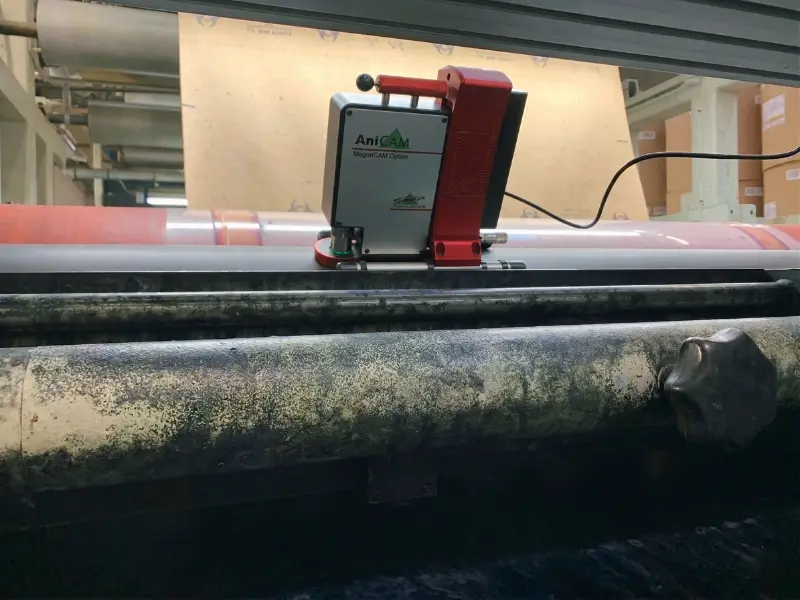
This second job is what the industry is losing. It was never written in a manual. It was learned on the floor, in real time, with someone patient enough to explain what had just gone wrong and why.
The new operators coming in do not have that luxury. Runs are shorter. Changeovers are faster. Margins are tighter. Training now has to happen between jobs rather than during them. And even when the time is there, the senior operator who used to do the teaching has already gone.
Why this matters more than it used to
A generation ago, a press operator had room to learn. Jobs ran for days. An error caught on the third hour of a long run was still fixable, still profitable. The cost of a slow learning curve was absorbed by the length of the run itself.
That buffer is gone. Short runs mean a setup error now eats the whole job. Brand owners are asking for colour tolerances at ΔE <1 or <2. Environmentally friendly films and recyclable substrates, pushed by new regulation, are far less forgiving than the heavy laminates they replace.
All of this lands on the operator. And the operator, on average, is now less experienced than the operator who ran the same press ten years ago.
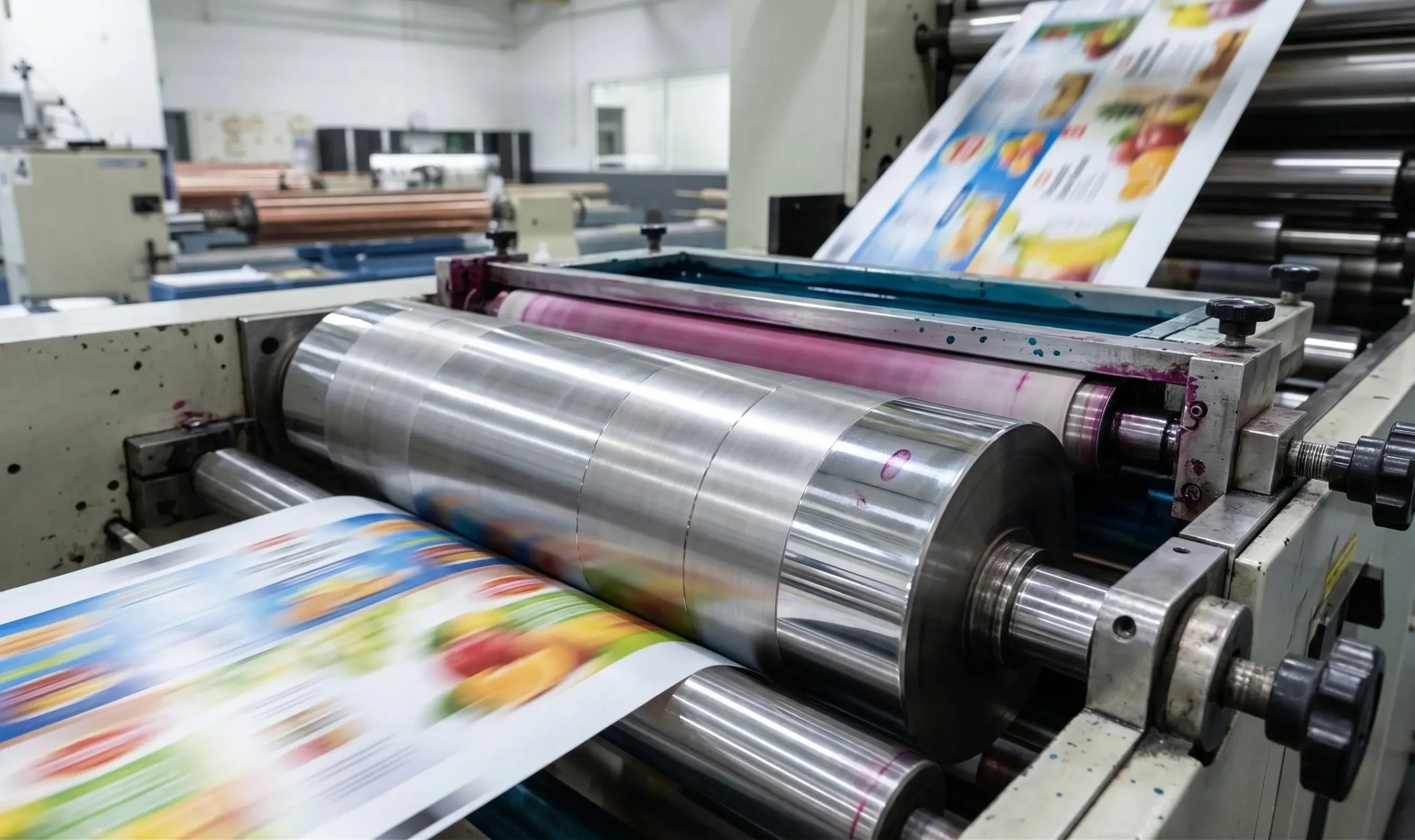
What can be written down, and what cannot
Some of the knowledge leaving the industry can be saved. Job recipes, plate curves, ink formulations, changeover checklists: all of this can be captured in software and handed to the next operator on day one. Good converters are already doing this.
The harder part, the judgement, cannot be written as a checklist. You cannot put “know when the anilox is worn” on a training sheet. The senior operator knew because they had watched hundreds of rolls age over the years. They had a mental model built from experience, and that model is what is walking out of the door.
The real question is whether that judgement can be matched by something else. Not copied, matched. Something that hands the new operator the same answer the senior operator would have given, without requiring the fifteen years.
The quiet strength of measured data
A senior operator is a remarkable thing, but they are also singular. They can only be in one place at one time. They work one shift, on one press, in one plant. Their judgement, however deep, cannot be in two rooms at once, and it cannot help the night shift once they have gone home for the weekend.
Measured data has no such limit. Once an anilox roll has been scanned, that reading is available to every operator, on every shift, at every site the company runs. A converter with plants in Milan, São Paulo and Ho Chi Minh City can work from the same roll histories across all three. A new starter in one facility can draw on the measurements a senior colleague recorded in another, years before they joined. The knowledge travels with the job rather than with the person.
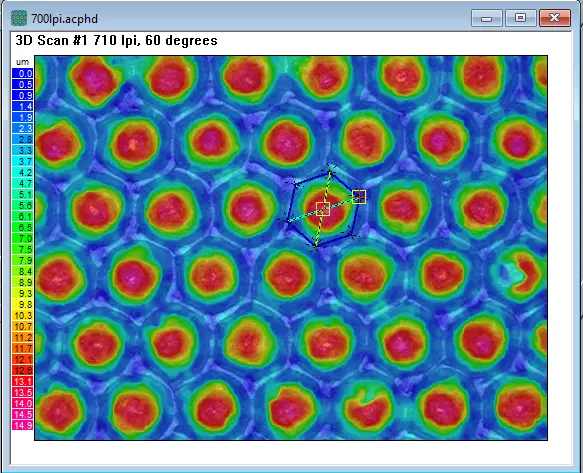
The anilox is the clearest case in point. The senior operator used to know a roll was worn because they had seen hundreds like it. A new operator has not. But a measured roll, scanned on delivery, scanned again at six months, scanned again at a year, tells its own story. The volume loss is there in the record. The wear pattern is visible. The decision of whether to clean, refurbish or replace no longer needs fifteen years of pattern recognition. It needs five minutes with the history file.
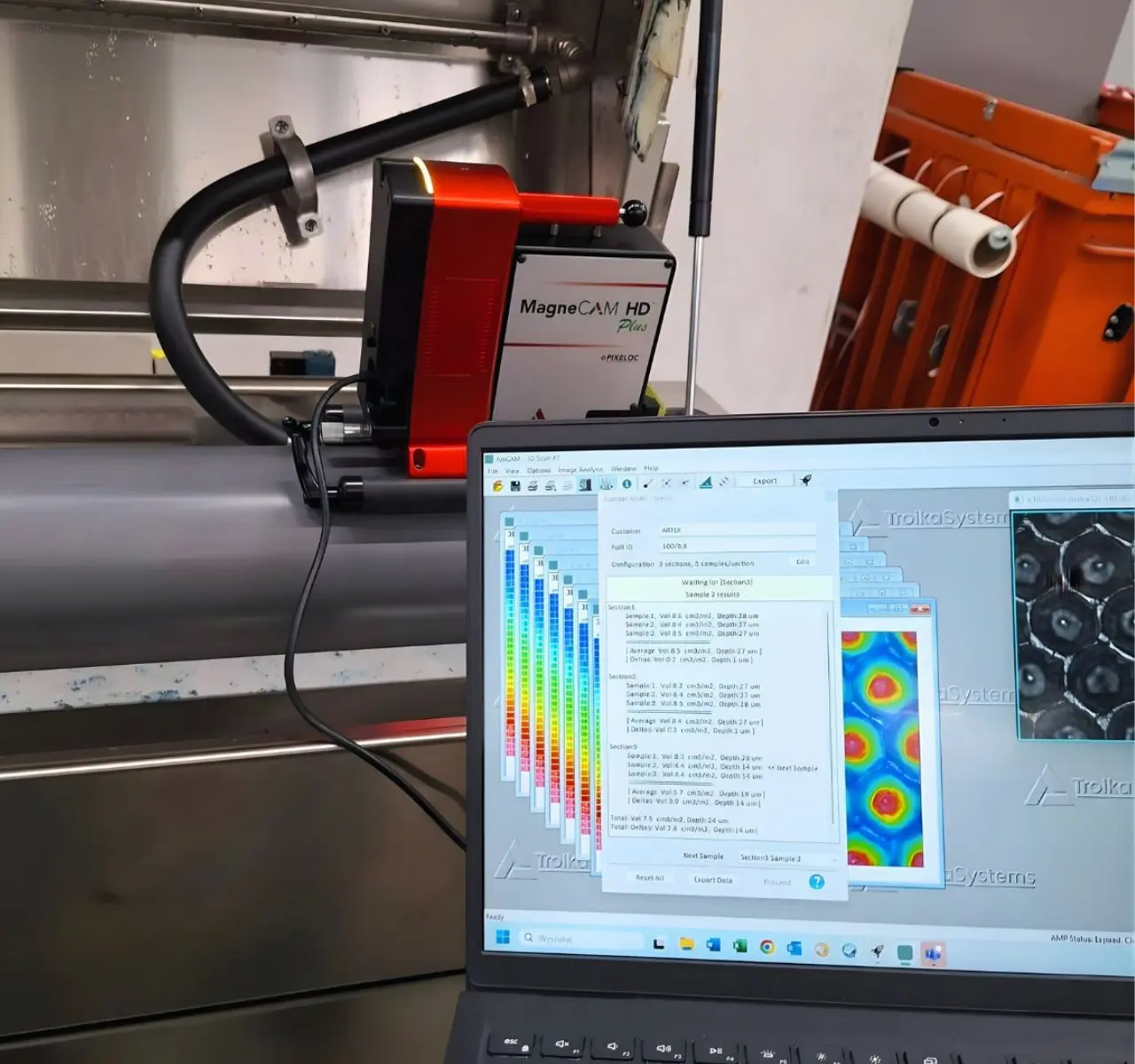
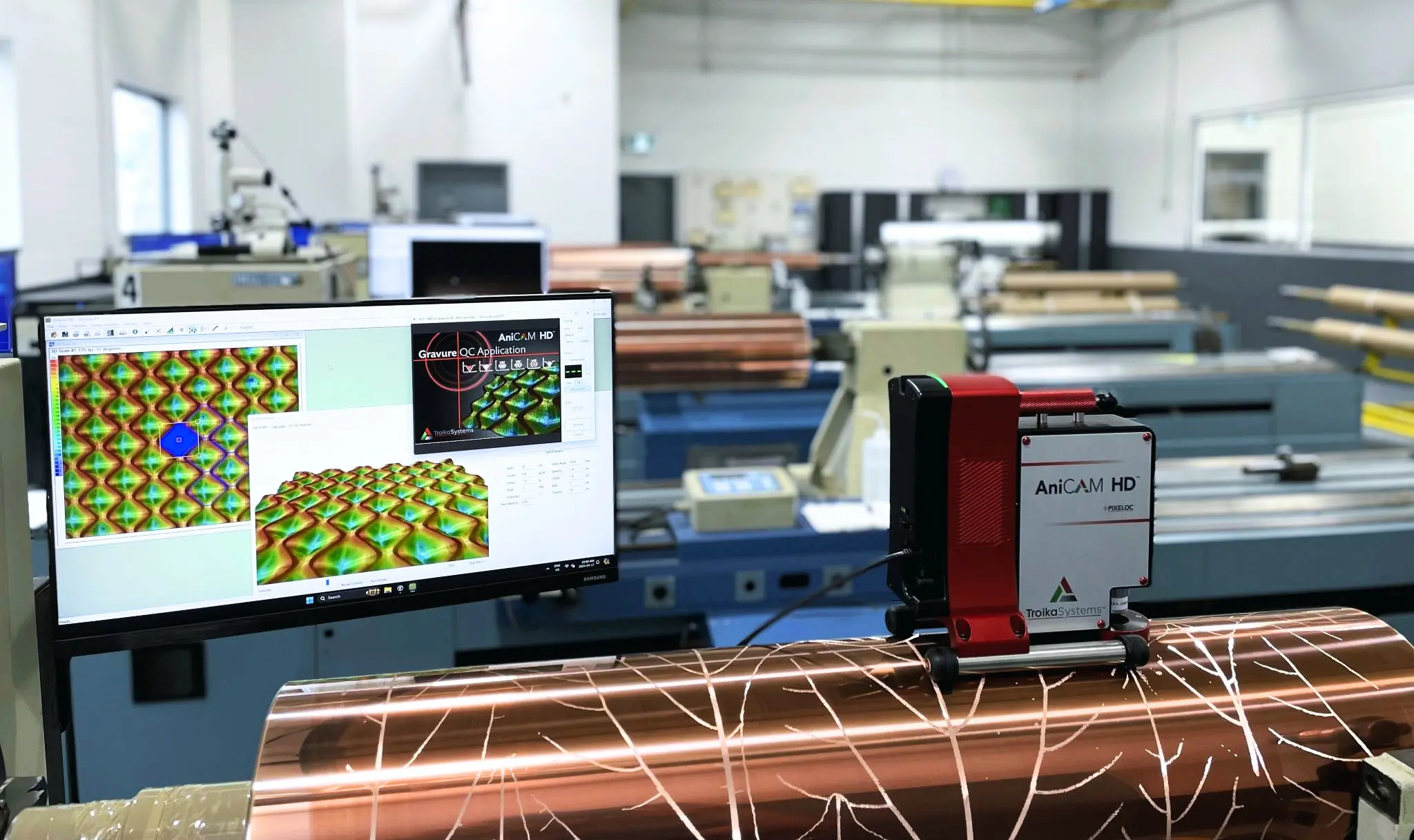
This is the purpose of the AniCAM HD™ Plus and the Troika Management System (TMS). Together they turn what the best operator sees into a record every operator can use, wherever in the world they happen to be working. The scan captures the condition of the roll to a micron. The management system holds that scan, and every scan before it, in a shared database that any authorised member of the team can open. What was once held in one person’s head is held, instead, in a place the whole company can reach.
Building a press room that outlasts its people
A press room that depends on one or two key people is fragile. When those people leave, retire, or simply have a difficult week, quality suffers and nobody on the floor knows quite why. A press room that depends on measured, recorded, shared data is a press room that keeps its knowledge when its people move on.
The practical steps are not complicated. Measure the things that used to be judged by eye. Record them in a system the whole team can reach. Make the records part of daily work, not an audit exercise for year end. Use the data in training, so new operators learn to read a trend the way the old hands learned to read a press.
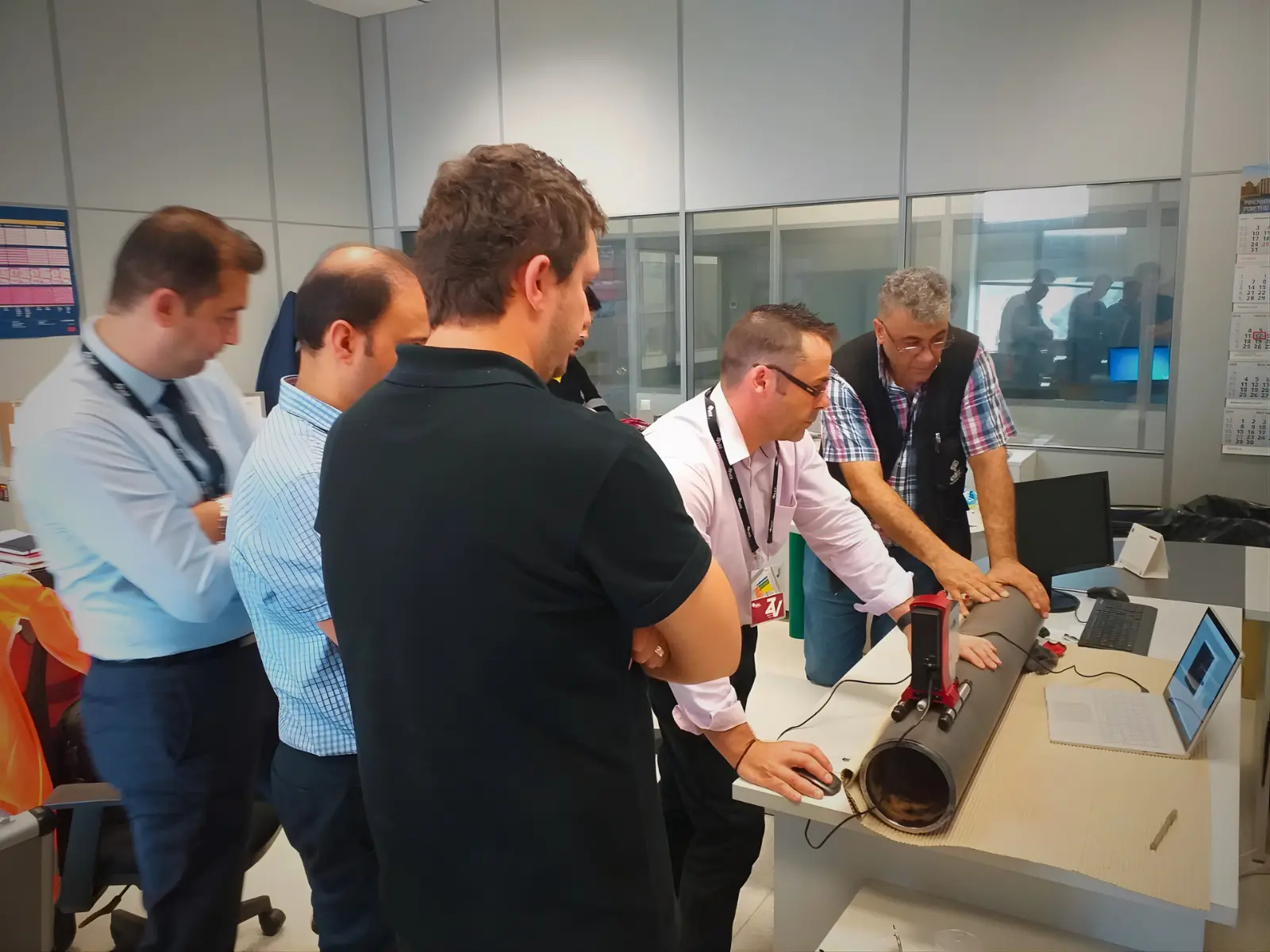
None of this displaces experience. A great operator is still a great operator, and a press room with good people running it will always outperform one without. The point is to carry what those good people know beyond the limits of one shift, one site, and one career.
The shift is already happening
The operators retiring today grew up solving problems by instinct. They were brilliant at it, and the industry owes them a great deal. The operators starting today will grow up solving the same problems with data at their elbow. Neither approach is wrong. One of them, however, can be shared with a colleague in another hemisphere without getting on a plane.
The converters who understand this are already moving. They are building measurement into the daily rhythm of the press room, not as a quality control tick box but as a way of keeping hold of what their senior staff would otherwise take with them. They are treating every scan, every volume reading, every wear measurement as a deposit into an account the next generation will one day draw from.
The knowledge is leaving. The only question worth asking is whether you catch it on the way out.