

In flexographic printing, the anilox roll is the heart of ink delivery. Effective anilox roll cleaning is not optional. Dirty rolls cannot do their job. Clean rolls keep ink transfer precise, colours stable and production flowing. Neglect them and you invite streaking, poor coverage and costly downtime.
Why Anilox Roll Cleaning Matters
Anilox rolls deliver an exact volume of ink to the substrate. Over time, dried ink, coatings and residues build up inside the cells, reducing volume and disrupting performance. Regular cleaning keeps those cells open and ensures correct ink delivery every time. The payoff is fewer defects, less rework and a smoother run.

How Often Should You Clean?
Frequency depends on your ink system, substrate and press speed. UV inks need cleaning after every job. UV residue hardens fast and is stubborn once cured. Water-based and solvent inks allow slightly longer intervals, but high-volume presses need a deep clean at least weekly. Any roll sitting idle for more than a few days should be cleaned before it goes back on press. The cost of skipping it is always higher than the time it takes.
Choosing the Right Cleaning Method
The right approach depends on contamination level and ink type. There are three main options.
Manual brush cleaning with a chemical solution is the standard starting point. It handles light to moderate residue well and works for routine maintenance between deeper cleans. Use a brush with appropriate stiffness, too hard and you risk cell wall damage.
Ultrasonic cleaning is more thorough. The roll sits in a tank where high-frequency sound waves dislodge residue from inside the cells without abrasion. Better for heavier buildup and a good choice for rolls that have missed a few cleaning cycles.
Laser cleaning is the most effective method for severely blocked rolls. It removes hardened ink without chemicals or physical contact. The equipment cost is higher but for press rooms running high volumes it pays back quickly. Some specialist cleaning services offer this without the capital outlay.
Match the method to the problem. Using an aggressive method on a lightly soiled roll wastes time and risks unnecessary wear.
How Do You Know the Roll Is Actually Clean?
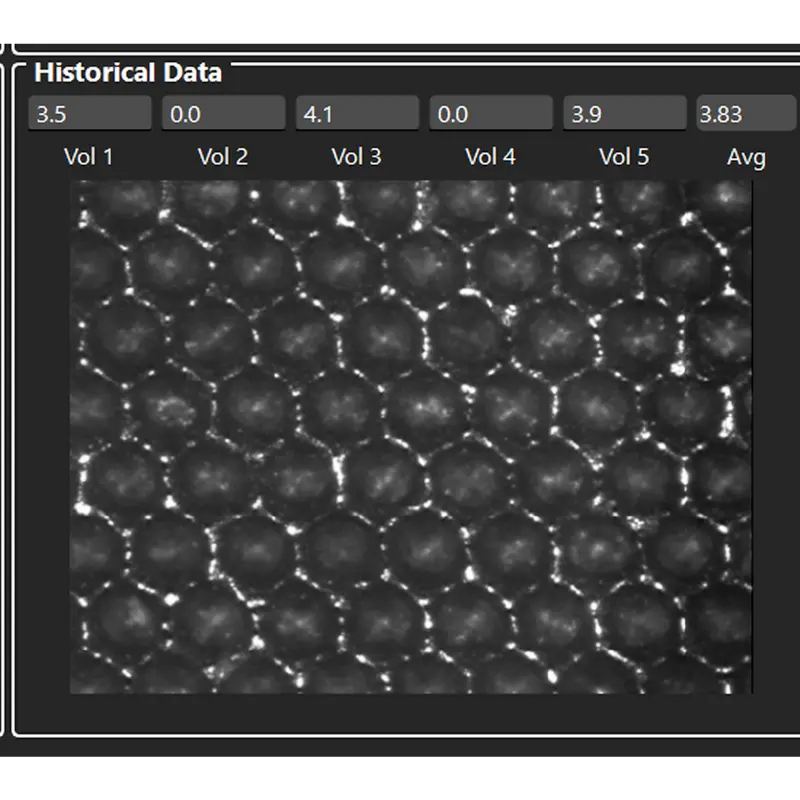
This is where most press rooms fall short. Anilox roll cleaning that looks complete on the surface can still leave residue deep in the cells. Visual inspection is not enough. Troika’s Anilox QC software uses detailed 3D scans to measure volume, depth and cell condition. You see changes before they become visible on the sheet, and you act before quality suffers. A measured volume before and after the clean is the only proof that it worked. Our guide to anilox roll inspection covers what to measure and how often.
What Happens When Anilox Roll Cleaning Gets Neglected
The consequences build gradually. A roll that is slightly blocked delivers slightly less ink. Colours drift. Dot gain increases. The press operator compensates with adjustments that mask the real problem. By the time the defect is visible on the sheet, you have already wasted substrate, ink and press time.
Chronic under-cleaning also accelerates cell wear. Residue left in cells hardens over time and becomes increasingly difficult to shift. Aggressive cleaning attempts to recover a neglected roll can damage the cell walls permanently, shortening the roll’s usable life. At several thousand pounds per roll, that is an expensive lesson.
Regular anilox roll cleaning prevents that cycle entirely. Small interventions on a consistent schedule are always cheaper than reactive deep cleans or early replacement.
The Efficiency Case
Clean rolls shorten make-ready, make colour matching easier and reduce ink and substrate waste. With clogged cells, every adjustment takes longer and defects creep in. Keep them clean and your workflow stays tight.
Protecting Your Investment
Anilox rolls are expensive to replace. Routine cleaning combined with regular inspection extends their lifespan by reducing wear and catching damage early. The Troika Management System (TMS) keeps a full maintenance history so you can plan refurbishments or replacements at the right time, avoiding unexpected failures.
Clean, well-maintained anilox rolls are central to efficiency, quality and cost control. AniCAM HD™ Plus with Anilox QC and TMS puts you in charge of both cleaning and monitoring.
Clean Rolls, Clear Benefits
The next step is simple: request a demo and see how much better your press can run.